
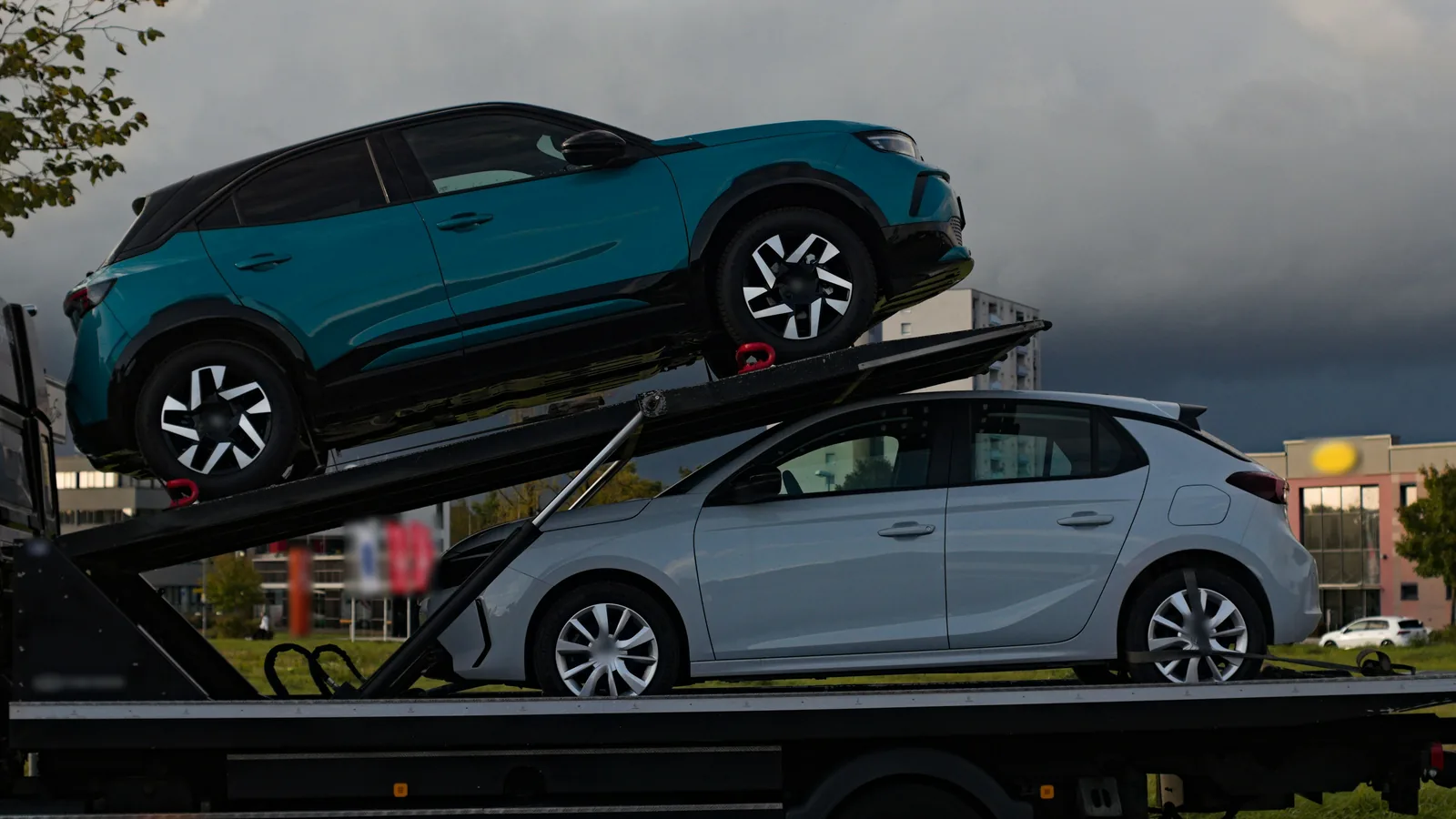
Italy is one of Europe's largest car markets, with a steady supply of new, KM0 and used cars from dealers, rental companies and fleets. For a dealer in another EU country it can be an excellent source of stock. But if you have never bought in Italy, the process can raise questions: who issues the invoice, when to pay, which documents you receive, how VAT works. Here is how it works, step by step.
1. What you can buy in Italy
New and KM0 cars: pre-registered cars from dealers and manufacturers, practically new and available immediately. Read our article on Italian KM0 cars
Used cars in batches: ex-rental and fleet cars of every age and mileage.
Commercial vehicles: vans of all sizes, from compact to large. See the commercial vehicles we handle
2. How a purchase works, step by step
- The offer: you receive the list of cars with model, version, colour, registration date, mileage, damage (if any) and net price per car, excluding VAT.
- Questions and checks: before confirming, you can ask for photos, damage reports, service history and the VINs.
- Confirmation with a proforma invoice: once you confirm, the supplier issues a proforma invoice in your company's name.
- Payment: payment is by bank transfer, directly to the supplier, before the cars are collected.
- Documents: the supplier deregisters the cars for export, and prepares the final invoice and the documents you need to register them in your country (see section 3).
- Collection: you collect the cars with your own transport, on the agreed date.
3. The documents you receive
Final invoice: issued by the Italian supplier as a VAT-exempt intra-community supply, with your EU VAT number (checked on the VIES system).
COC (Certificate of Conformity): needed to register the cars in your country.
Italian registration documents: for cars already registered in Italy (KM0 and used), the deregistration for export is done in Italy before the car leaves, and the Italian plates are returned.
Service book and keys: where available, service history, spare keys and manuals.
4. VAT: what the seller needs from you
Within the EU, a sale between two VAT-registered businesses is invoiced without Italian VAT, and you account for VAT in your own country. To apply the exemption, the Italian seller must be able to prove that the cars actually left Italy. When you organise the transport, the seller will usually ask you for:
The CMR (international consignment note) signed on delivery;
A written statement that the cars have arrived in your country, normally by the 10th day of the following month;
if requested, another document confirming the transport, such as the carrier's invoice.
Sending these documents quickly makes the next deals easier and faster. More details in our guide on VAT, documents and transport.
5. Tips for a smooth deal
Be clear on what you need: model, version, quantity, colours and budget. The more precise the request, the faster we find the right batch.
Check the equipment: Italian versions may differ from those in your market.
Plan the transport in advance: once the payment is made, the cars are ready to be collected.
Keep your VAT number valid on VIES: without it, the supplier cannot issue a VAT-exempt invoice.
How we work
We source batches of new, KM0 and used cars and vans from Italian dealers and fleets and offer them to buyers across Europe. Invoice and payment always go directly to the supplier: you pay the seller, not an intermediary. Transport is organised by the buyer.
Looking for cars or vans for your market? Tell us what you need.